China trademark protection,
before your first shipment.

Overseas brands usually leak into China during quoting and prototyping, not after launch. I help foreign businesses register their marks and set strict supplier terms from the very first factory disclosure.

Kelly Zhang

China-licensed lawyer · Chinese & English · Shenzhen

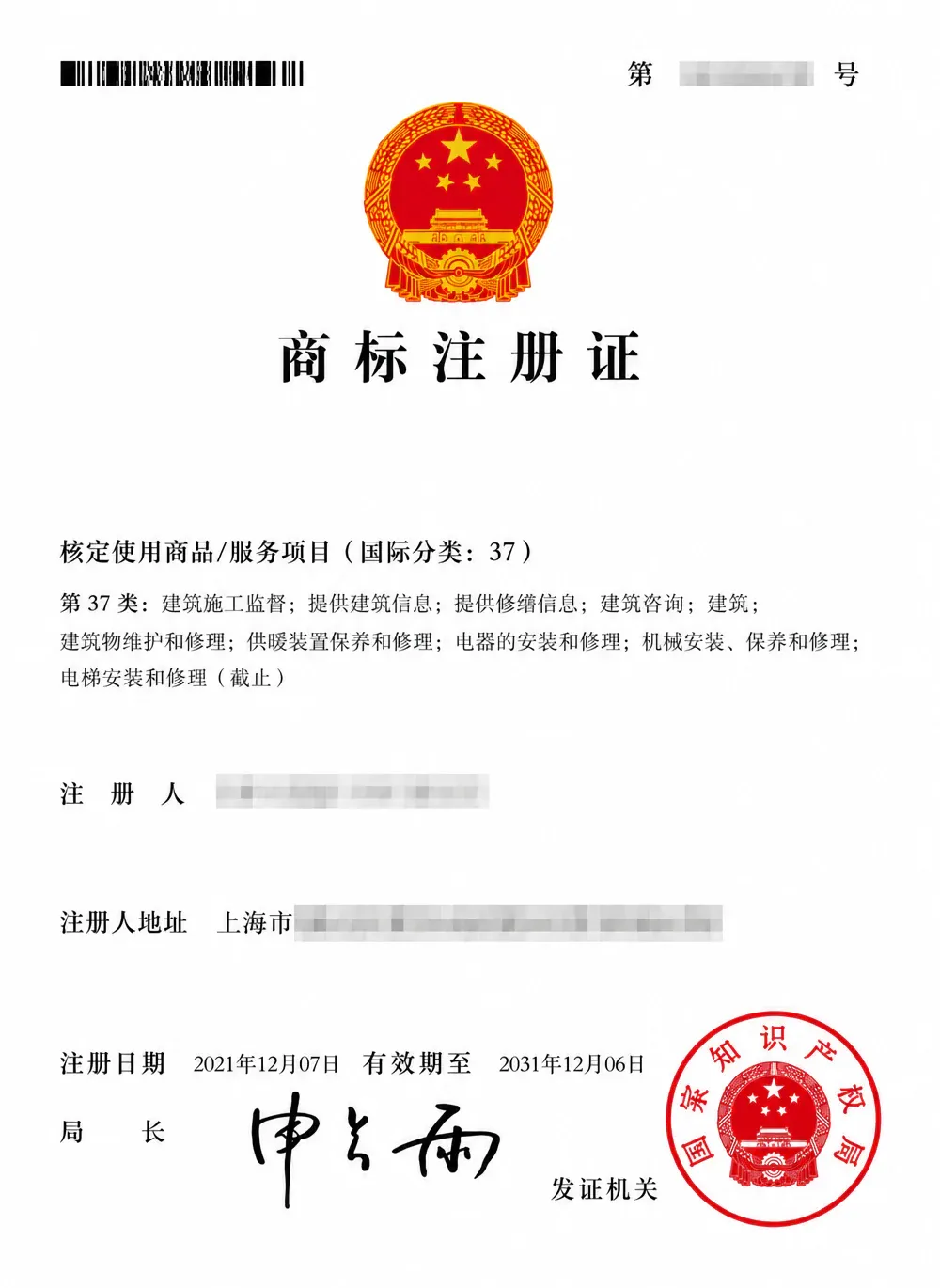
Sample China trademark registration certificate issued by the China National Intellectual Property Administration, showing the registered goods and services, registration date and term, with the registrant's details redacted
Sample China trademark certificate
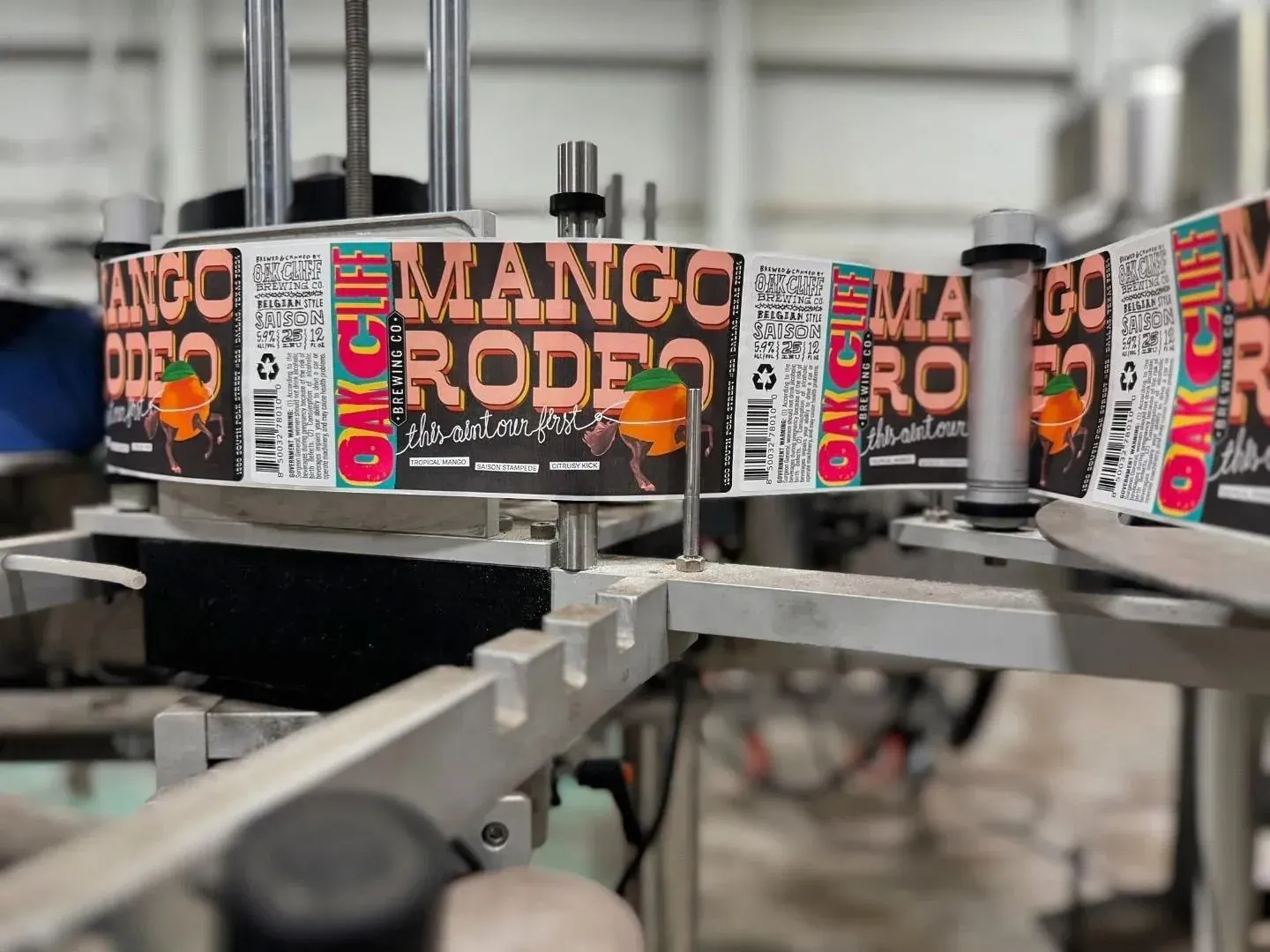
Printed product labels running through a labeling machine on a factory production line

Your brand reaches China
before your first shipment.

You may have no plans to sell in China. Your suppliers still need to print, mold, package and handle your brand there. Protection should follow those moments.

  1. Quotation

    Your name and renders go to several factories, including ones you never hire.

  2. Samples

    Your logo goes onto prototypes, molds and product housings.

  3. Packaging

    Artwork reaches printers and label suppliers you never dealt with.

  4. Promotion

    A factory photographs your sample for its website or trade-show booth.

  5. Production and exit

    Overruns, rejected units and spare labels outlast the order.

Secure the trademark.
Control the factory’s use.

Plan the Chinese filings and the supplier’s use of your brand together, around the product you are actually developing.

File for the brand
you are building.

Review your name, logo, distinctive product-line names and any planned Chinese name. Match the filing scope to the actual goods, relevant Chinese subclasses and near-term product plans.

  • Choose the appropriate rights holder, independently of the supplier.
  • Check existing Chinese registrations and Madrid designations for gaps.
  • Prioritize applications around the next disclosure and production investment.
  • Assess customs recordal once rights are in place. It is a separate procedure and does not guarantee that every infringing shipment will be stopped.

The resultA filing plan that tells your team what comes first, what needs adjusting and how to handle disclosure while applications are pending.

Make permission to use
your brand specific.

The factory needs permission to put your logo on an approved order. Define the limits of that permission in the relevant NNN, development or manufacturing agreement.

  • Specify approved uses, recipients and subcontracting conditions.
  • Require approval for publicity, trade-show displays and customer references.
  • Control overruns, rejected units, leftover labels and use after termination.

The resultBrand-use terms connected to real orders and recipients, with downstream responsibilities and direct commitments where needed.

The eight types of
trademark in China.

Article 8 of the PRC Trademark Law lists what a trademark can be made of. File the word mark and the logo as two separate applications: if you redesign the logo, the word mark still stands.

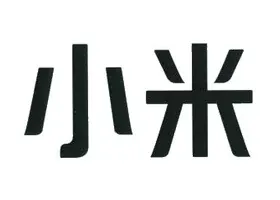
  • Example of a word mark: Xiaomi 小米

    Word mark文字商标

    Made only of words.

    Clear and easy to pass on. The core filing for a brand name.

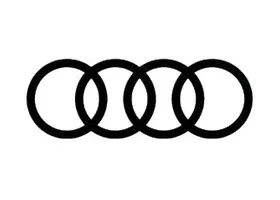
  • Example of a device mark: Audi

    Device mark图形商标

    A figure or design.

    Easy to recognize and works across languages.

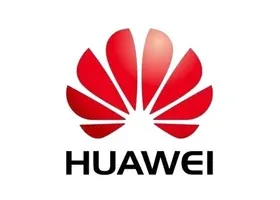
  • Example of a composite mark: Huawei

    Composite mark组合商标

    Two or more elements together, such as a logo with the brand name.

    Recognizable as a whole, but a redesign of the logo means a new filing.

  • Example of a letter mark: TCL

    Letter mark字母商标

    Letters.

    Must be distinctive, so short strings are often refused.

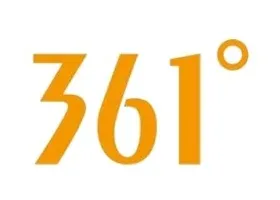
  • Example of a numeral mark: 361°

    Numeral mark数字商标

    Numbers.

    Same distinctiveness test as letter marks.

  • Example of a 3d mark: Ferrero Rocher

    3D mark三维标志商标

    The shape of a product or its packaging.

    Protects the shape as a sign of origin, not how the product works.

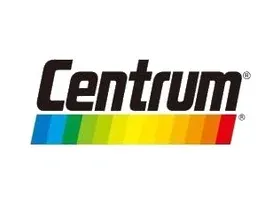
  • Example of a color combination mark: Centrum

    Color combination mark颜色组合商标

    A combination of colors.

    Needs at least two colors. China does not register a single color.

  • Example of a sound mark: China National Radio theme

    Sound mark声音商标

    A sound.

    Filed as musical notation with an audio file.

How we work together
and what you receive.

We confirm the marks, products, suppliers and work included before engagement. Each stage leaves you with something your team can act on.

Full agreements, monitoring, customs recordal and contested proceedings are separately scoped where needed.

  1. Brand & disclosure review

    A working list of your marks, existing rights, recipients and upcoming disclosure dates, with the issues that need attention first.

  2. Search & filing plan

    Advice on the applicant, marks, goods and filing priorities, including the main conflicts or gaps identified in the search.

  3. Application handling & updates

    Handle your domestic filings in China, manage official correspondence with CNIPA, and guide you through any examination objections.

  4. Supplier brand-use terms

    Review or draft the agreed permissions and restrictions, aligned with your NNN, development or manufacturing agreement.

  5. Protection after filing

    A next-step plan for monitoring, evidence of use, customs recordal or dispute response, according to your production and export arrangements.

Before we begin.

For the application process, documents and filing routes, read the China trademark registration guide.

We only manufacture in China. Do we still need to consider a Chinese trademark?

Yes. Manufacturing, labeling and exporting can involve use of a mark in China. Export-only production does not automatically remove trademark risk. We assess the Chinese rights, the authorization chain and the actual way the mark is used.

Does our US, EU or UK registration cover mainland China?

A foreign registration does not automatically extend to mainland China. We check whether you already have Chinese protection, including through a Madrid designation, and what additional applications may be appropriate.

We have an NNN. Why do we need trademark protection too?

An NNN sets contractual obligations for the parties it binds. A trademark registration establishes rights in the registered mark for its protected goods or services. The contract does not replace registration or automatically bind unrelated third parties.

Will a trademark protect the product design or technical idea?

A trademark protects a sign that identifies the source of goods or services. Product appearance, technical inventions, drawings and confidential know-how need separate consideration under patent, copyright, trade-secret and contract rules. We identify those needs alongside the brand work.

We already sent our logo to a factory. Is it too late?

Not necessarily. We immediately check whether the mark is still clear. If a third party or supplier already applied, we use your disclosure timeline, quotation records, and communications to challenge the filing under China’s bad-faith rules.

Do we need to set up a Chinese company to apply?

Usually no. An eligible foreign company can apply in its own name. Foreign applicants without the relevant residence or business establishment in China must use a lawfully established trademark agency for the domestic filing route.

What is included, and what is quoted separately?

The engagement specifies the marks, classes, searches, filings and contract work included. Full NNN, development and manufacturing agreements, customs recordal, monitoring and contested proceedings are separately scoped where needed. Official fees and additional work are identified in the quotation.

Kelly Zhang

Trademark protection built around your supplier contracts.

I am Kelly Zhang, a China-licensed lawyer at JT&N in Shenzhen. I advise overseas businesses on supplier contracts and the disputes that follow, including who owns the tooling, files and technology a factory works with.

That is where brand protection usually starts. A filing secures your rights in China; the NNN, development and manufacturing agreements decide what the factory may do with them. I plan both together.

More about Kelly

Protect the brand
behind your next product.

Tell me where development stands, whether you have filed in China and which suppliers have seen your brand. Start with a project summary; you do not need to send complete unpublished designs with your first enquiry.

Discuss Your Trademark Protection